

One record per patient, for research and AI.
For research directors and registry leads: each patient's records joined inside your hospital, ready for EHDS duties from 2029.Sourceeur-lex.europa.eu, Regulation (EU) 2025/327, Art. 51 and Art. 105
One patient, six systems, no answer.
A researcher asks which patients have a scan, a slide, a genetic result, and a consented sample, and today that question is a project.
- Six system owners asked, six exports matched by hand
- Studies and data requests that start from scratch each time
- AI projects that ask for your data to leave
- Health recordsMRN 0088213HL7 feed
- LaboratoryLIS-5521-BManual lookup
- ImagingACC 24-118830CSV export
- PathologyS24-0417 A1Email attachment
- GenomicsSEQ-7F3KNo link
- BiobankBB-000912
Illustrative. Sample identifiers.
Every source, one record per patient.
The Scientific and Research Data Hub joins the research records your hospital holds, system by system, into one record per patient, inside your walls: health records, laboratory results, imaging, digital pathology, genomics, biobank samples, trial data, physician observations, and follow-up outcomes. One permission system and one audit trail cover all of it.
- Health records
- Laboratory results
- Imaging
- Digital pathology
- Genomics
- Biobank samples
- Trial data
- Physician observations
- Follow-up outcomes
See the whole patient in one place.
Scans, slides, genetic results, and samples sit in the record they belong to, viewed and annotated under the same permissions.
- Radiology in DICOM, viewed and annotated in the record
- Whole slide pathology beside the diagnosis and molecular result
- Biobank samples tied to consent and chain of custody
- Laboratory results traced to the method and calibration behind them
 Sample University Hospital
Data Hub / records / P-20417
Record P-20417
Pseudonymised · male, 64 · C34.1 Upper lobe, bronchus or lung
Clinical timeline
CT chest, axial
DICOM · ACC 24-118830 · slice 142 of 310
 A1 · 24 mm
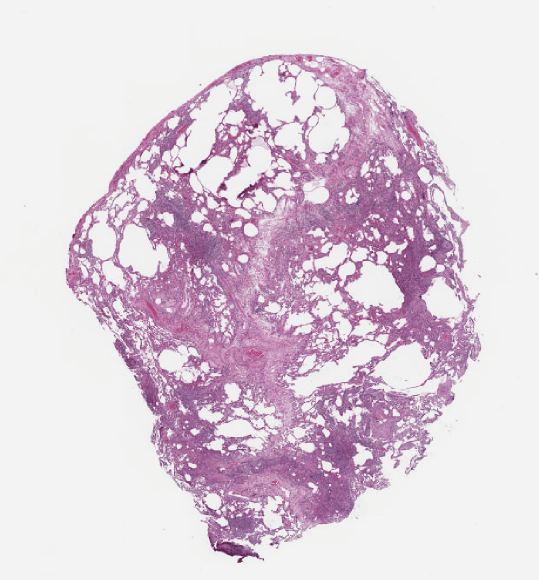
Lung biopsy, H&E
Whole slide image · S24-0417 A1
Targeted gene panel
NGS · SEQ-7F3K · 9 Feb 2026
Biobank sample
BB-000912 · FFPE tissue block
Illustrative. Sample data.
AI that runs inside your hospital.
AI works where the records sit, on your own servers, and sees only what the person asking is allowed to see.
Your local AI model
It runs on your own servers, so questions, records, and answers stay inside the building.
Your researchers' models
Models your teams build or adopt can be deployed inside your hospital, to train and test where the records sit.

What your teams can ask.
Ask in plain language
Find patients across every record type with one plain question, answered only from records the person asking may see.
Size a study first
See how many patients match a study's criteria before anyone asks for an export.
Spot gaps earlyIn development
Find missing consent, unlinked samples, and uncoded records before a data request arrives.
Summarise a historyIn development
Pull one patient's history across departments together for a study review.
Draft dataset descriptionsIn development
Draft the dataset descriptions the EHDS asks for, from what you actually hold.Sourceeur-lex.europa.eu
Connect your own tools through the open REST API, on your own infrastructure.
Nothing leaves without your approval.
Your records stay where your hospital puts them, in the form they were created, until it decides otherwise.
- Request
- Approval
- Anonymised extract
- Time-limited link
- Release logged
Released only on approval
A request is approved by your hospital, the extract is anonymised, it travels by a time-limited link, and the release is logged.
Kept as captured
Records are kept as entered, never pre-summarised, so researchers combine them at analysis, and studies nobody has designed yet stay possible.
On-premise, hybrid, or cloud: your hospital chooses where the data hub runs.
Ready before the requests arrive.
Four demands are reaching European hospitals from 2029, and each needs records that are joined up and governed.Sourceeur-lex.europa.eu, Regulation (EU) 2025/327, Art. 51 and Art. 105
- 2025 In forceSourcehealth.ec.europa.eu
- 2029 Duties beginSourceeur-lex.europa.eu, Regulation (EU) 2025/327, Art. 51 and Art. 105
- 2031 Trial data followsSourceeur-lex.europa.eu, Regulation (EU) 2025/327, Art. 51 and Art. 105
EHDS data dutiesSourceeur-lex.europa.eu, Regulation (EU) 2025/327, Art. 51 and Art. 105
From 2029, describe datasets and answer requests within three monthsSourceeur-lex.europa.eu, Regulation (EU) 2025/327, Art. 51 and Art. 105eur-lex.europa.eu, Art. 60(2)
Descriptions from what you hold, requests from one place
Digital maturity scores
Scores such as HIMSS EMRAM rate how well systems share dataSourcehimss.orgbibliomedmanager.de, 17 June 2026; BMG DigitalRadar reports
One record across departments, the integration scores look for
AI on health data
The EHDS counts training and testing AI as researchSourcehealth.ec.europa.eu, EC EHDS Q&A; Regulation (EU) 2025/327
Records already linked and governed for AI work
Research networks
Networks analyse data where it sits, on a shared modelSourceema.europa.eu
Coded to ICD-10, ICD-O-3, and Orpha at capture
One record per child, across every centre.
A national paediatric oncology register runs on the platform: each child's record holds the clinical history with its imaging, pathology, genomic data, and biobank samples, coded to international classifications.
- Clinical history
- Imaging
- Pathology
- Genomics
- Biobank
- Follow-up
- Every centre contributes to one record per child
- Consent recorded for every registration
- Linked with other registers
- Incidence, survival, and trend views
- Anonymised releases to international research
Where hospitals start.
Start with one collection that matters, then extend the same governed layer across the hospital.
- Example

Rare disease registry
Orpha-coded records, consent, and follow-up, shared with European registries on your terms.
- Example
Biobank
Every sample linked to the patient's record, consent, and chain of custody.
- Example
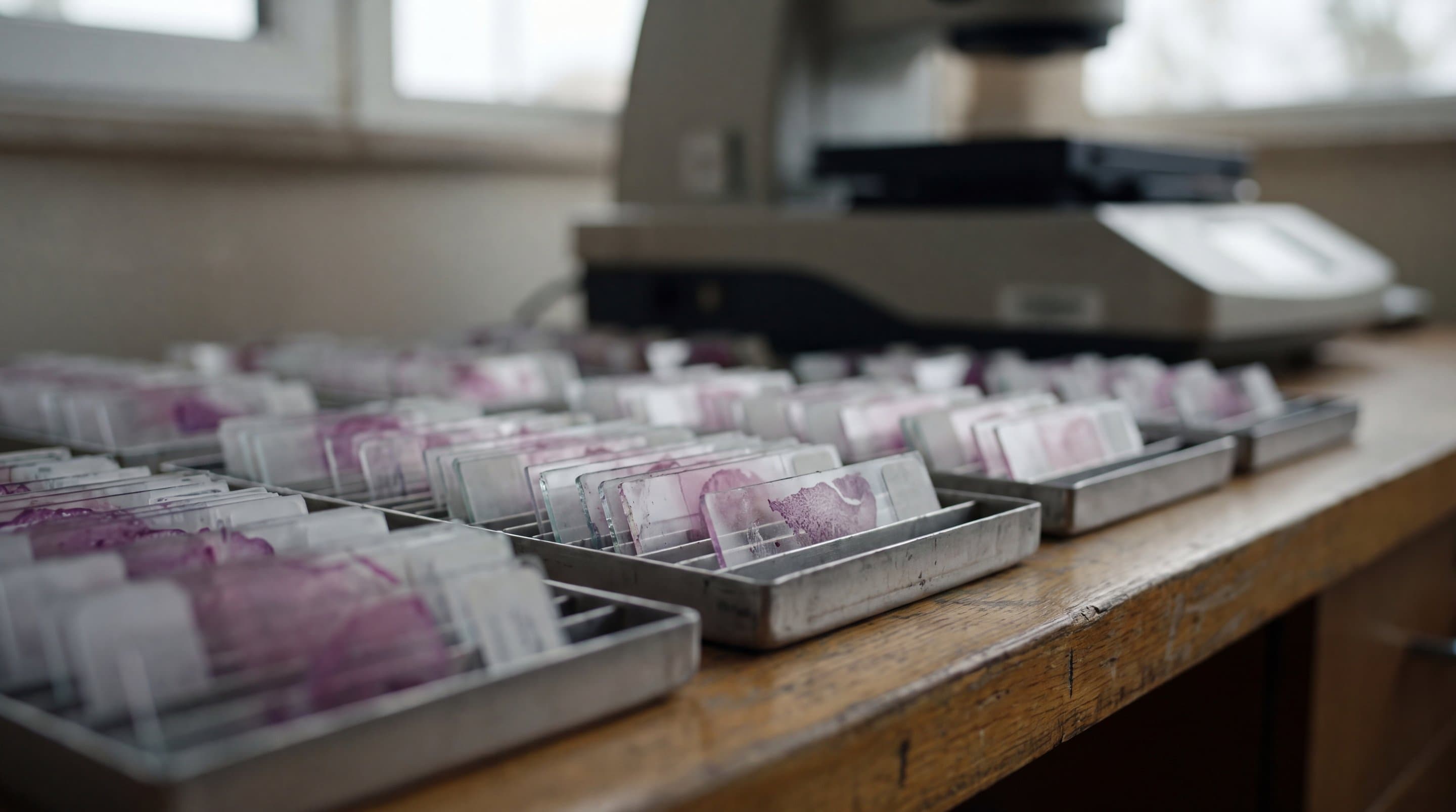
Digital pathology archive
Whole slide images kept with the diagnosis, molecular results, and outcome.
- Example

Health data holder
Describe your datasets and answer access requests from one governed layer.
The same controls cover the records around research: SOPs and training, equipment calibration, and radiation dose registries.
Bring the question you can't answer today.
Book a call about the records your hospital holds, and bring your DPO, IT, and research leads.