

One record per child, across every centre.
A national paediatric oncology register runs on the platform, with imaging, pathology, genomic data, and biobank samples in each record.
A paediatric oncology register follows every child and adolescent treated for cancer, from diagnosis through treatment to long-term follow-up.
In the data hub, each patient has one record with their history, images, slides, tumour genetics, and samples.
Every data type, one governed record.
Specialist centres across the country contribute to one register, so each child's record stays complete however many teams treat them.
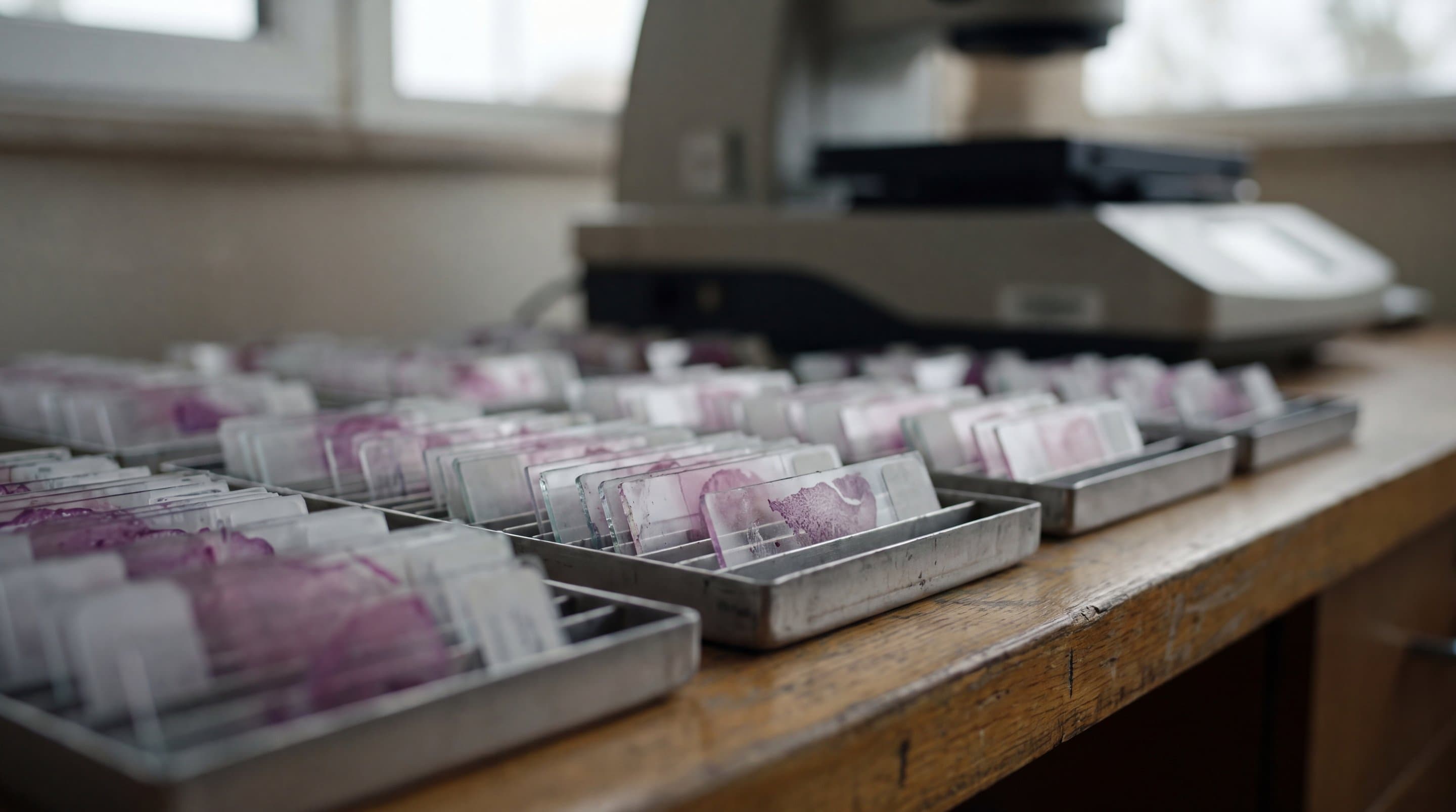
- Radiology and whole slide pathology images, viewed and annotated in the record
- Genetic and molecular tumour data beside the diagnosis
- Biobank samples linked to the patient and the consent
- Coded to ICD-O-3 and ICD-10 at capture
- Anonymised releases to international research, every release logged
How a patient's record is built.
- Centres report
- Record coded
- Images and samples linked
- Follow-up added
- Anonymised release
Questions register teams ask.
Which data types does each record hold?
Clinical history, radiology images, whole slide pathology images, genetic and molecular tumour data, biobank samples, consent, and follow-up outcomes.
How do researchers receive the register's data?
As anonymised extracts, released by the register through secure, time-limited links. Every release is logged, and nothing leaves without the register's decision.
Why is the register not named?
Children's health data calls for the strictest discretion. We describe what the platform does for the register, never who it is.
Run your registry on one governed record.
Book a call about the registry you run, and invite your DPO, IT, and quality leads.