

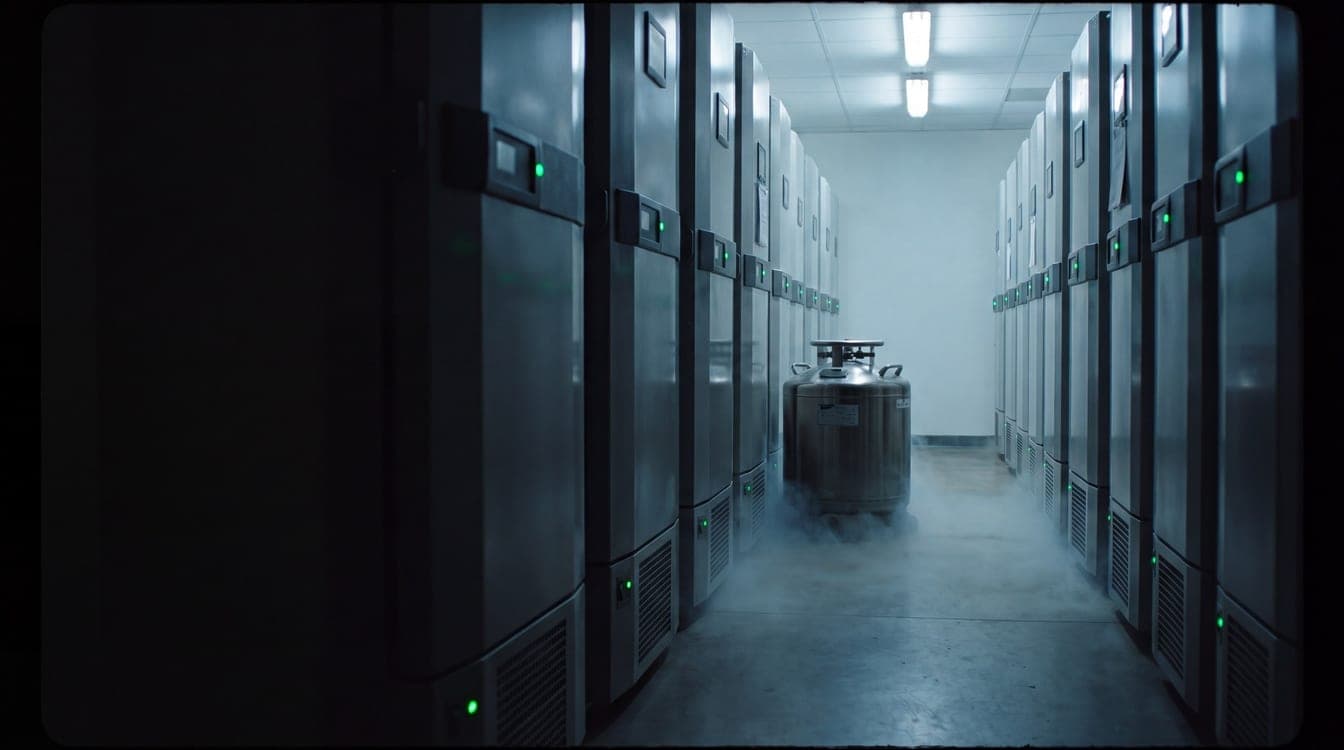
Every sample, with the record behind it.
Samples linked to the patient's clinical record, consent, and follow-up, with chain of custody from collection to release.
A hospital biobank is only as useful as the clinical data behind each sample.
In the data hub, each sample is linked to the patient's record and consent, so researchers search by clinical question rather than freezer location.
A sample is worth the record behind it.
Biobanks lose value when sample inventories and clinical records sit in separate systems that nobody can join.
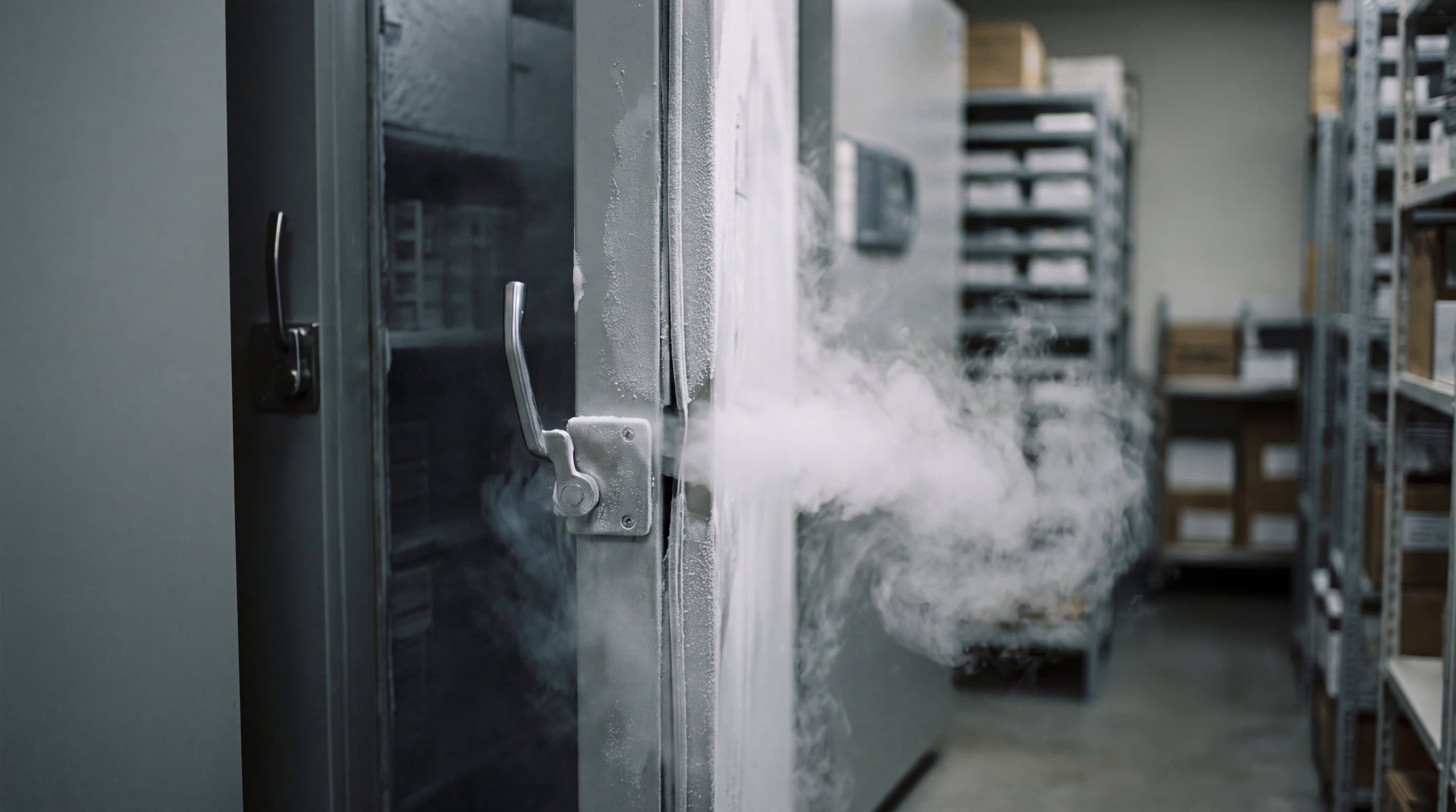
- Samples linked to the patient's record and diagnosis
- Consent recorded in the same record as the samples
- Chain of custody from collection to storage to release
- Genetic and molecular results in the same record
- Anonymised releases to research partners, every release logged
How a sample moves through the data hub.
- Consented
- Collected
- Stored
- Linked to record
- Released
A national paediatric oncology register runs on this software today.
Questions biobank leads ask.
Can researchers search by clinical question?
Yes. Each sample is linked to its record, so a search can start from diagnosis, treatment, or outcome rather than storage location.
How is consent handled?
Consent is recorded with every registration and sits in the same record as the samples it covers.
Is this example a customer deployment?
No. It shows how a hospital would use capabilities that run today in a national paediatric oncology register on the platform.
Link your samples to their records.
Book a call about your biobank, and invite your DPO, IT, and quality leads.